
Understanding Business Incorporation: Essential Tips for New Entrepreneurs
Understanding the Basics of Business Incorporation
Incorporating a business is a significant step for any entrepreneur. It involves legally declaring your business as a separate entity from yourself, which can provide a variety of benefits and protections. Understanding the essentials of business incorporation can help you make informed decisions that align with your business goals.
One of the primary advantages of incorporation is limited liability. This means that as a business owner, you are not personally responsible for the company's debts. Your personal assets are protected, offering peace of mind as you venture into the business world.
Choosing the Right Type of Corporation
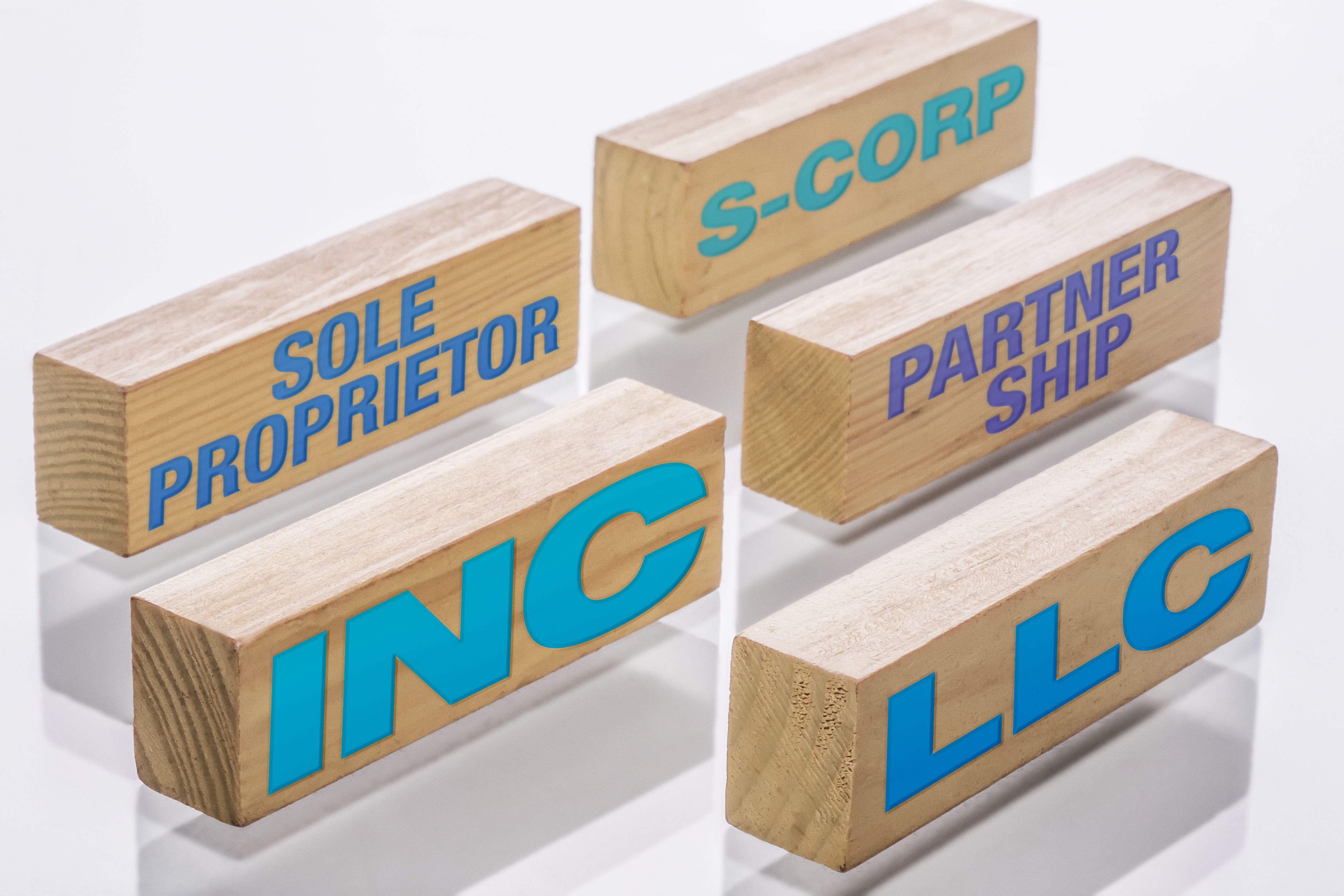
When it comes to incorporating, you have several options, each with its own benefits and drawbacks. The most common types include:
- Corporation (C Corp): Suitable for larger businesses, with the ability to issue stock and attract investors.
- S Corporation: Offers tax advantages by allowing income to pass through to shareholders, avoiding double taxation.
- Limited Liability Company (LLC): Provides flexibility and protection with less formalities than a corporation.
Choosing the right type of corporation depends on factors such as your business size, industry, and growth plans.
Understanding the Incorporation Process
The process of incorporation generally involves several key steps. First, you’ll need to select a unique business name and ensure it complies with your state’s regulations. Next, file the necessary paperwork, such as the Articles of Incorporation, with the state. This document includes important details about your business, such as its name, purpose, and structure.

It’s also crucial to establish corporate bylaws. These are internal rules that govern how your business operates and addresses issues like shareholder meetings and decision-making processes. Once these steps are complete, you can obtain any necessary licenses and permits to legally operate your business.
Maintaining Corporate Compliance
After incorporating, maintaining compliance is essential to keep your business in good standing. This involves regularly holding board meetings, keeping detailed minutes, and filing annual reports. Staying compliant helps protect your limited liability status and enhances your business's credibility.
Additionally, it’s wise to consult with a legal or financial advisor to ensure you’re meeting all state and federal requirements. They can provide guidance tailored to your specific business needs.

Benefits of Business Incorporation
Incorporating your business offers numerous advantages beyond limited liability. It can enhance your credibility with customers and suppliers, making it easier to establish trust and secure financing. Furthermore, corporations can continue beyond the lifespan of their founders, ensuring business continuity.
Another benefit is the ability to attract investors. Incorporated businesses can issue stock, providing an opportunity to raise capital for expansion and growth.
Challenges and Considerations
While incorporation offers many benefits, it also comes with challenges. The process can be complex and may require ongoing administrative work. Additionally, incorporation might not be necessary for every business, especially smaller or sole proprietorships.
It’s crucial to weigh the pros and cons of incorporation in the context of your business goals and resources. Seeking professional advice can help you navigate these decisions effectively.

In conclusion, understanding business incorporation is an essential step for new entrepreneurs. By carefully considering your options and maintaining compliance, you can leverage the benefits of incorporation to support your business's long-term success.